How to Swap ETH to BTC
Yes, you can swap ETH to BTC, but not by sending Ethereum directly to a Bitcoin wallet. In a normal ETH-to-BTC exchange flow, you enter a BTC receiving address, get ETH deposit instructions, send ETH on the supported network, wait for confirmations, and then receive BTC in your Bitcoin wallet.
This guide explains how to exchange ETH to BTC correctly, what you need before you start, what affects timing and final payout, and which mistakes to avoid. It focuses on the process itself, not on finding the best rate, comparing providers, or deciding whether the trade is a good investment.
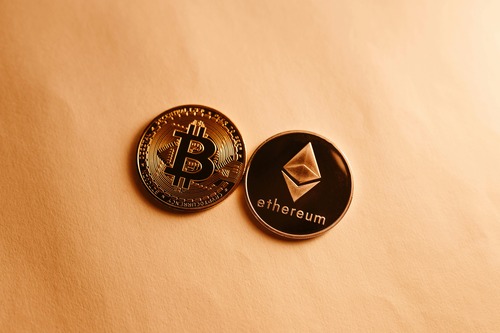
What swapping Ethereum for Bitcoin actually means
ETH and BTC run on different blockchains, so they do not move between wallets in the same native way. That is why an ETH-to-BTC swap is really an exchange flow: you send ETH according to the instructions you are given, and you receive BTC at a Bitcoin receiving address.
| Action | What you send | What you receive | Main purpose |
|---|---|---|---|
| Direct transfer | ETH to an Ethereum address | ETH | Move Ethereum on the Ethereum network |
| Swap or exchange flow | ETH to exchange deposit instructions | BTC | Convert Ethereum into Bitcoin |
| Bridge | ETH or another supported asset into cross-chain infrastructure | A bridged or wrapped asset on another network | Move value across ecosystems, not necessarily receive native BTC |
This distinction matters because a direct transfer does not perform a conversion. A bridge is also not the same as a standard ETH-to-BTC exchange. If your goal is to receive native BTC on the Bitcoin blockchain, you need a real exchange flow with a BTC receiving address and ETH deposit details.
What you need before you start
Before starting, make sure you have an ETH balance available, enough extra ETH to cover gas, and a valid BTC receiving address that you control. Your exchange amount should also be above the minimum threshold required for the transaction to process normally. If you want to reduce address mistakes, it can help to run a btc wallet address check before sending funds.
You should also review the estimate carefully. The important number is not just how much ETH you plan to send, but how much BTC you are expected to receive after fees, rate movement, and any minimum-output rules. Finally, confirm that you can access both wallets: the wallet sending ETH and the wallet receiving BTC.
How to swap ETH to BTC step by step
- Enter the exchange flow for ETH to BTC and choose ETH as the asset you will send and BTC as the asset you want to receive.
- Paste your BTC receiving address carefully and verify that it is the correct destination.
- Review the estimate, minimum exchange amount, and any visible fees. If you want a rough comparison point before sending, you can check a bitcoin exchange calculator.
- Follow the deposit instructions exactly and send ETH only on the supported network shown for the transaction.
- Save the transaction hash after sending ETH so you can track the transfer if it stays pending longer than expected.
- Wait for the required confirmations and processing time.
- Receive BTC in your Bitcoin wallet once the exchange flow is completed.
Do not guess any part of the process. The amount sent, the network used, and the receiving address all need to match the instructions exactly. Crypto transactions are generally irreversible once broadcast, so mistakes can be difficult or impossible to fix.
Before you send ETH
Use this quick check before confirming the transfer:
- I copied the correct BTC receiving address.
- I understand that I am sending ETH and receiving BTC.
- I have enough ETH for both the exchange amount and gas.
- My amount is above the minimum exchange amount.
- I reviewed the estimate and understand the final payout may differ.
- I followed the exact asset and network instructions.
- I saved the order details or transaction hash.
How long an ETH to BTC swap takes
Swap timing usually depends on three parts: the ETH transaction reaching the network, the required confirmations being completed, and the exchange processing the payout to Bitcoin. If the ETH transaction is still pending, BTC cannot usually be sent yet. That is why the transaction hash is useful: it lets you track whether the transfer has been broadcast and confirmed.
Processing time can also be affected by Ethereum network congestion, temporary blockchain delays, or the time needed to broadcast the outgoing BTC transaction. Even when everything is entered correctly, two swaps do not always complete in exactly the same timeframe.
Why you may receive less BTC than expected
The final BTC amount received can differ from the first estimate for several reasons. Part of the difference may come from Ethereum gas costs, exchange-side fees, payout fees, or normal spread between quoted and processed rates. If the rate is floating, market movement between the quote and final confirmation can also change the result.
Another common issue is amount mismatch. If you send less ETH than required, including cases where gas leaves the net amount below the threshold, the payout may be lower than expected or the transaction may need manual review. If you run into that situation, this guide to an underpaid bitcoin exchange can help explain what happened.
Common mistakes to avoid
The most common mistake is trying to send ETH directly to a BTC wallet and expecting an automatic conversion. That is not how ETH-to-BTC exchange works. Other problems include entering the wrong BTC address, sending ETH on an unsupported network, failing to stay above the minimum amount, or forgetting to leave enough ETH for gas.
Users also sometimes confuse native BTC with wrapped Bitcoin or another cross-chain asset. If your goal is actual Bitcoin on the Bitcoin blockchain, make sure the payout is native BTC to a Bitcoin receiving address. It is also worth being patient before assuming something went wrong, because pending confirmations can delay the visible payout even when the transaction is still processing normally.
FAQ
No. ETH and BTC are on different blockchains, so sending ETH directly to a Bitcoin address does not convert it into BTC.
You need a valid BTC receiving address that you control. That address is where the exchanged Bitcoin will be sent after the ETH side is confirmed and processed.
The transaction hash helps you track the ETH transfer on-chain. If the transaction is delayed or still pending, the hash is the main reference for checking its status.
That can happen because of fees, rate movement, confirmation timing, or sending an amount that does not match the expected threshold exactly.
That depends on the exchange flow you are using. If you want real Bitcoin on the Bitcoin network, make sure the payout is native BTC to a Bitcoin wallet address.