How to Swap Bitcoin to Ethereum
If you want to know how to swap Bitcoin to Ethereum, the short answer is yes — you usually can, but it happens through an exchange flow, not by sending native BTC directly to a normal Ethereum address. Bitcoin and Ethereum run on different networks, so a BTC to ETH exchange usually means you send BTC to a Bitcoin deposit address, wait for confirmations, and then receive ETH in your Ethereum wallet.
This guide explains what a Bitcoin-to-Ethereum swap means, what to prepare before sending funds, how the process works step by step, what “pending” usually means after you send BTC, and which mistakes to avoid. It focuses on the swap process itself, not live rates, calculators, or tax treatment.
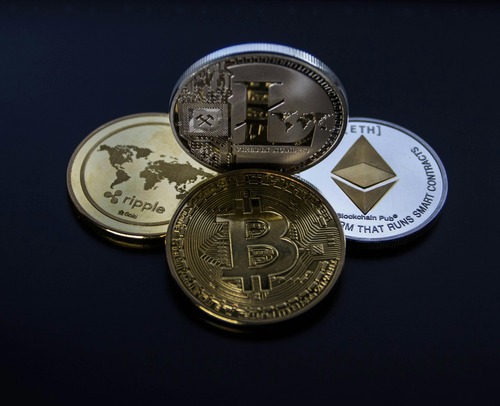
What it means to swap Bitcoin to Ethereum
Swapping Bitcoin to Ethereum means exchanging BTC, which exists natively on the Bitcoin network, for ETH, which exists natively on the Ethereum network. You are not moving the same coin from one chain to another. You are exchanging one asset for a different asset.
That distinction matters because a common mistake is assuming BTC can be sent straight to a standard Ethereum address and somehow arrive as ETH. That is not how a normal BTC to ETH exchange works. In a typical exchange flow, you send BTC to a Bitcoin deposit address, the payment is detected, the transaction receives the required confirmations, the exchange is processed, and ETH is delivered to the Ethereum receiving address you entered.
Swap vs direct send vs wrapped BTC
| Action | What you send | What you receive | Which network you use | Main risk or confusion |
|---|---|---|---|---|
| BTC to ETH swap | BTC | ETH | Bitcoin for the send, Ethereum for the receive | Assuming it works like a direct wallet transfer |
| Direct send | BTC | BTC | Bitcoin only | Sending BTC to a non-Bitcoin destination |
| Wrapped BTC setup | BTC or a BTC-backed representation | A token representation on another network | Depends on the specific setup | Confusing wrapped BTC with native ETH |
A swap is an exchange. A direct send is just a transfer of the same asset on the same network. Wrapped BTC is something else again and is not the same as receiving native ETH.
What to prepare before sending BTC
Before starting the exchange, make sure you have a valid ETH receiving address and that the wallet can receive native ETH on the Ethereum network as intended. You should also confirm that you are not trying to paste that Ethereum address into a normal Bitcoin send flow and expecting the conversion to happen automatically.
Use this quick checklist before you send:
- You have a valid Ethereum receiving address for native ETH
- Your wallet is compatible with receiving ETH on Ethereum
- You understand that native BTC should not be sent directly to a normal Ethereum address
- You checked the minimum exchange amount
- You reviewed the estimated ETH output
- You accounted for the Bitcoin network fee
- You confirmed the exact BTC amount you plan to send
If you want extra reassurance on address format before sending, you can verify a wallet address before sending.
How to swap BTC to ETH step by step
- Choose BTC as the asset you want to send and ETH as the asset you want to receive.
- Enter the amount of BTC you want to exchange. If you want to preview the expected result first, you can compare it with a bitcoin exchange calculator.
- Review the estimated ETH amount, any visible fees, and the exchange conditions.
- Enter your ETH receiving address carefully.
- Double-check all details, especially the amount and the destination address.
- Send BTC from your wallet to the Bitcoin deposit address generated for that exchange.
- Wait for the BTC transaction to be detected and confirmed on the Bitcoin network.
- After the required confirmations, the exchange moves into processing.
- ETH is sent to your Ethereum wallet, and the final received amount appears after delivery.
The most important point is that the BTC send is only the first stage. The exchange is not complete the moment your Bitcoin transaction is broadcast.
What happens after you send BTC
After you send BTC, the exchange usually moves through several normal stages. First, the Bitcoin transaction is broadcast. Then the payment is detected by the exchange flow. After that, the BTC transaction waits for the required confirmations on the Bitcoin network. Once enough confirmations are received, the transaction enters the processing stage, and only then is ETH sent out to your receiving wallet.
This is why a swap can stay pending even when you already see the BTC transaction in your wallet. A detected payment is not always the same as a completed exchange. In many cases, the delay comes from waiting for confirmations rather than from the ETH side itself.
Why the final ETH amount may differ from the estimate
The estimated receive amount is not always identical to the final received ETH amount. The delivered amount can change because of market movement during processing, exchange fees built into the quote, or the effect of the Bitcoin network fee on how much BTC actually arrives.
Amount mismatch can also happen when the sent BTC amount does not line up with the expected amount for that exchange. If the exchange receives less than intended after fees, the result may be recalculated. That is why it is important to review the exact amount to send and not rely on an old estimate for too long.
Common mistakes to avoid
Most BTC to ETH problems come from a few repeat errors. The biggest one is sending BTC directly to a standard Ethereum address instead of using the Bitcoin deposit address created for the exchange. Another is entering the wrong ETH receiving address, which can prevent delivery to the intended wallet.
Users also run into trouble when they ignore the minimum exchange amount, send less BTC than expected after fees, or assume the swap is finished before confirmations are complete. Some confuse a normal BTC to ETH exchange with wrapped BTC or another cross-network setup. Others make a network-related mistake on the sending side; if that applies to your situation, read more about a wrong bitcoin network selected issue before retrying.
What to check if the swap is still pending
If your BTC to ETH swap is still pending, first check whether the Bitcoin transaction was broadcast successfully and whether it has enough confirmations yet. Then confirm that you sent the expected BTC amount and that network fees did not reduce the delivered amount below what you meant to send.
You should also re-check the ETH receiving address you entered and remember that processing begins only after the confirmation stage is complete. If the amount sent was lower or higher than expected, the exchange may need recalculation or manual handling, which is one reason an underpaid bitcoin exchange case can take longer than a standard swap.
Conclusion
To swap Bitcoin to Ethereum, you exchange BTC on the Bitcoin network for ETH on the Ethereum network through a process that starts with a Bitcoin deposit and ends with ETH delivery to your Ethereum wallet. It is not the same as sending BTC directly to a normal Ethereum address.
The safest approach is to prepare the correct ETH receiving details, review the amount carefully, send BTC only to the provided Bitcoin deposit address, and expect a normal waiting period for detection, confirmations, and processing before ETH arrives.
FAQ
Yes. Many exchange flows support direct BTC to ETH conversion from the user’s perspective, even though the process still happens in stages behind the scenes.
No. Native BTC should not be sent directly to a standard Ethereum address in place of a proper exchange flow. Normally, you send BTC to a Bitcoin deposit address and receive ETH separately after processing.
You need BTC to send, a valid ETH receiving address, and enough BTC to cover both the exchange amount and the Bitcoin network fee.
It depends on Bitcoin confirmation time, network conditions, and the processing flow. In many cases, the longest part is waiting for BTC confirmations.
Pending usually means the payment has been detected but is still waiting for confirmations or is in processing. It does not always mean something is wrong.
Yes. The final amount can differ because of rate movement, fees, timing, or an amount mismatch between what was expected and what actually arrived.
The exchange may recalculate the result, delay processing, or require manual review, depending on the amount received and the exchange rules.
No. A BTC to ETH swap exchanges one native asset for another. Wrapped BTC is a separate concept and is not the same as receiving native ETH.
Often yes. If you need the reverse process, see how to swap ETH to BTC.